


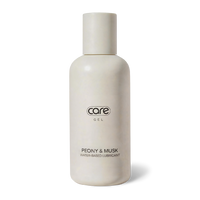
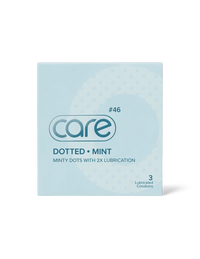
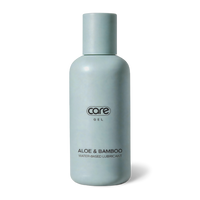
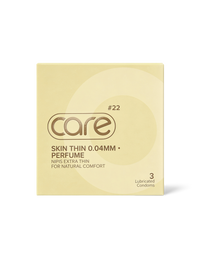
What are Condoms?
Let’s keep it simple; condoms are affordable, easy to use and effective. We all know that. But what really makes them different from other contraceptives, and how effective can they be? And what else do you need to know?
How to Use Condom?
We’ll get straight into it and educate you! (We even did our research.)
- Condoms, when used correctly, prevent pregnancies and STIs (sexually transmitted infections) with up to 90-95% effectiveness. ₁ Among contraceptives, only condoms are useful in preventing STIs. They are the easiest and cheapest option, as you can get them at your local convenience store (or even online these days).
- Use of the condom by women’s partners as the most effective contraceptive method was highest among Asian women. ₂
- In one study, female condoms were associated with higher user issues than male condoms. Though according to postcoital PSA levels in vaginal fluid, both devices were highly protective against “high-level” semen exposure. ₃ [This means that both work very well when used correctly, but male condoms are better.]
- Among young adults and adolescents, those with a more comprehensive sexual health education are more likely to use condoms, thus keeping their partners and themselves healthy. ₄,₅
- Compared with other contraceptive methods:
- Injectable …………………………. 6.7%
- Pill …………………………….. 8.7%
- Male condom……………………….. 17.4%
- Fertility awareness (avoiding fertile days, i.e. before period) ……………………. 25.3%
Here’re some Pro-Tips to fully utilise your CARE Condoms
- If you cut a CARE condom up the side, you can open it and place it over the vulva as a dental dam for safer oral sex! (We recommend wiping off the lubricant first unless you like the taste.)
- Make sure no air escapes into the condom when you put it on! Air bubbles caught inside might pop when it rubs against the internal walls.
- Don’t do ‘double bagging’! (i.e. using two condoms at the same time) The friction between latex might cause breakage. (And a bit of a waste, in our opinion)
References (Told ya we did our research. Some might not be within the last 5 years, but all are thoroughly checked):
- Pinkerton, S. D., & Abramson, P. R. (1997). Effectiveness of condoms in preventing HIV transmission. Social science & medicine, 44(9), 1303-1312.
- Jones, J., Mosher, W. D., & Daniels, K. (2012). Current contraceptive use in the United States, 2006-2010, and changes in patterns of use since 1995 (No. 60). US Department of Health and Human Services, Centers for Disease Control and Prevention, National Center for Health Statistics.
- Galvao, L. W., Oliveira, L. C., Díaz, J., Kim, D. J., Marchi, N., van Dam, J., … & Macaluso, M. (2005). Effectiveness of female and male condoms in preventing exposure to semen during vaginal intercourse: a randomised trial. Contraception, 71(2), 130-136.
- Finigan-Carr, N. M., Craddock, J. B., & Johnson, T. (2021). Predictors of condom use among system-involved youth: The importance of Sex Ed. Children and Youth Services Review, 127, 106130.
- Steiner, R. J., Pampati, S., Kortsmit, K. M., Liddon, N., Swartzendruber, A., & Pazol, K. (2021). Long-acting reversible contraception, condom use, and sexually transmitted infections: A systematic review and meta-analysis. American Journal of Preventive Medicine, 61(5), 750-760.